
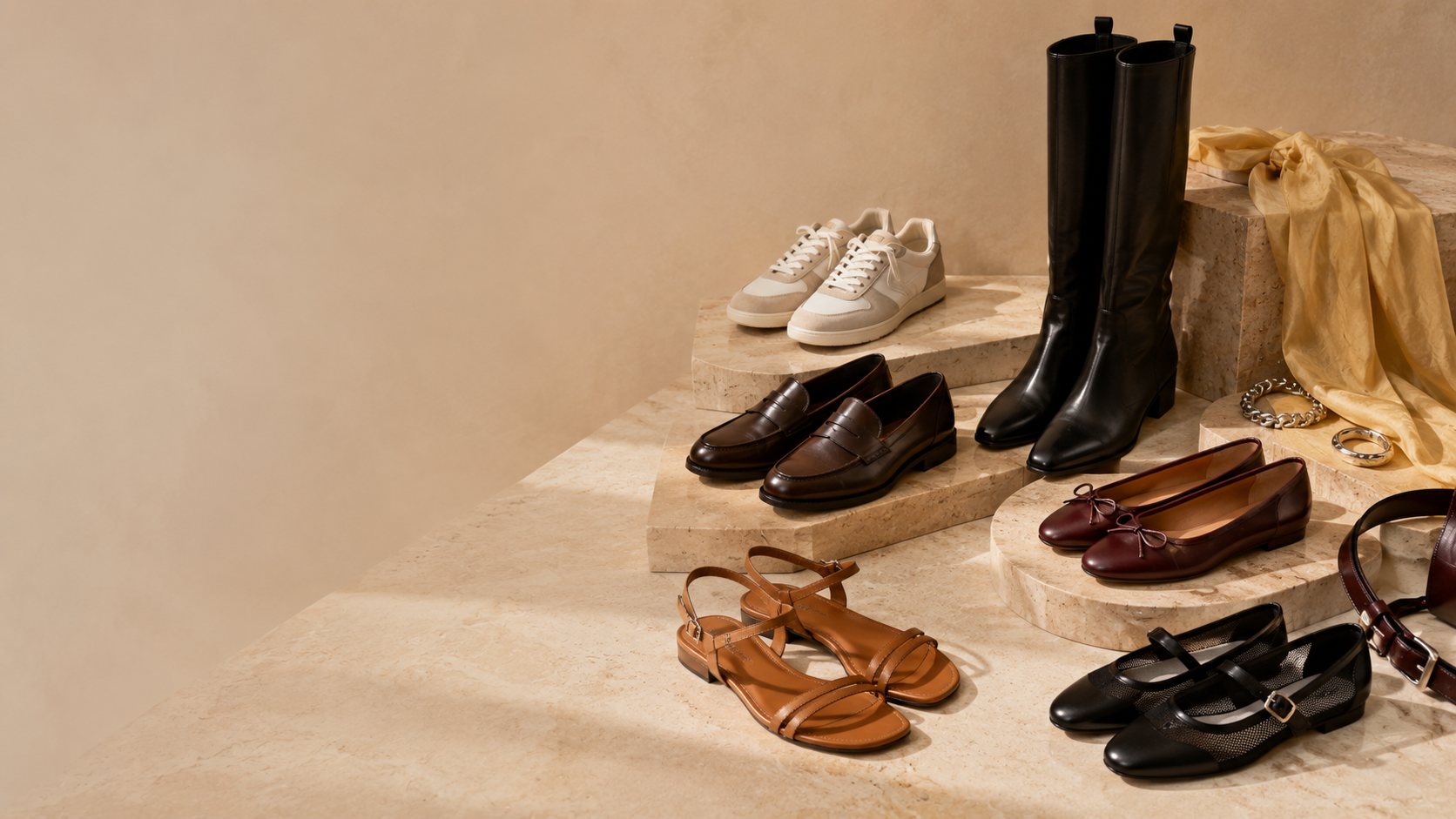
The flat shoe brands actually worth buying
28 July 2026 · by Karma Koded
Finding comfortable flat shoes is easy…provided you do not care what they look like.
Finding stylish flats is also easy…provided you are willing to accept a hard sole, a heel that rubs or the creeping realisation that the shoes you bought for everyday wear are only tolerable for dinner.
The difficult part is finding shoes that do both.
A good pair of flats should survive the parts of life that happen outside a fitting-room mirror. They should still feel wearable when the walk to the station becomes longer than expected, when a casual afternoon turns into a full day out or when you have already worn them three times that week. They should work with more than one carefully planned outfit. And, ideally, they should not look tired before the end of their first season.
Price alone does not guarantee any of this. An expensive shoe can still have a thin sole, a narrow toe box and a synthetic lining. A more affordable shoe can be the smarter purchase when its shape is versatile, its materials are appropriate and you are likely to wear it often.
So this is not a list of the most luxurious shoe brands, nor a collection of whatever is currently trending. It is a guide to the brands we think balance the things that matter in real life: comfort, style, longevity, materials and cost per wear.
For each category, we have chosen one brand we think justifies spending more and one more affordable option that does not immediately compromise on quality.
Already found the shoes but not sure what to wear with them?
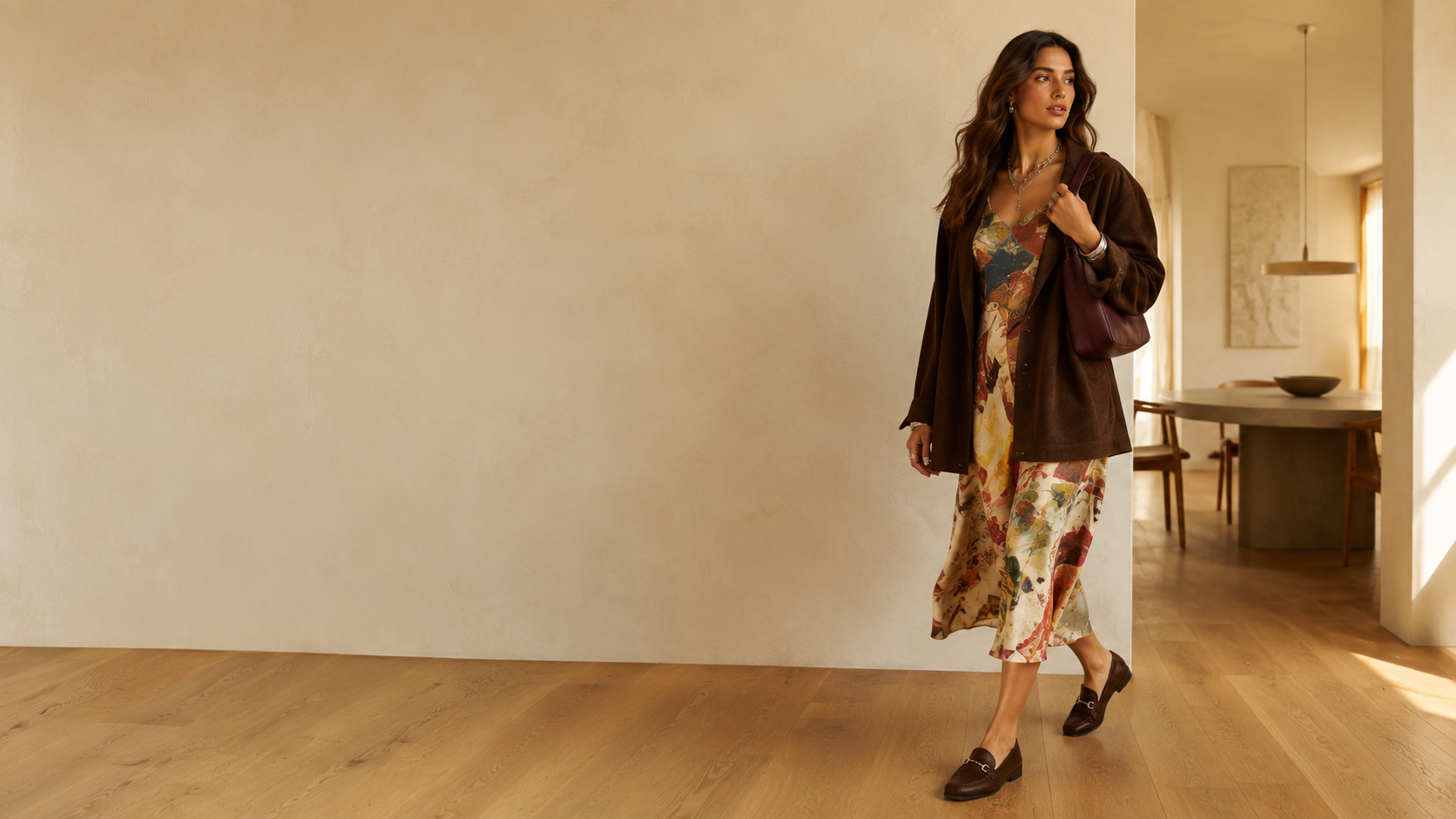
Our guide to How to style a dress without heels shows how trainers, loafers, boots, sandals, ballet flats and Mary Janes can change the mood of the same dress.
Looking for the shortlist?
Open a shoe category for our main recommendation, the more affordable alternative and the most important thing to know before buying.
-
Our pick: VEJA
Best for polished everyday trainers that work with dresses, denim and tailoring.For less: adidas
Look specifically at Sambas, Gazelles and Handball Spezials in leather or suede.Know before buying:
VEJA can feel firm initially, while the low-profile adidas styles may not provide enough width or support for every foot.
Jump to the full trainers review ↓ -
Our pick: Vagabond for leather loafers that soften with wear while retaining their shape.
For less: Clarks, particularly leather styles with cushioned footbeds.
Know before buying: Even good loafers can rub initially, so test structured styles over shorter wears before committing to a full day.
-
Our pick: ALOHAS Rosalind or Sway for a more substantial, fashion-forward alternative to flimsy ballet pumps.
For less: Selected leather ballet flats from Dune London.
Know before buying: Both brands sell more trend-led or synthetic options, so check the materials rather than relying on the brand name alone.
-
Our pick: Russell & Bromley for polished leather options across ankle, Chelsea and knee-high boots.
For less: Dr. Martens in softer leathers such as Virginia or Ambassador.
Know before buying: Dr. Martens offers a chunkier, more casual alternative, not a direct replacement for a sleek knee-high boot.
-
Our pick: Birkenstock Arizona, particularly leather, suede or Birko-Flor versions with the classic cork footbed.
For less: Salt-Water Sandals for lighter leather styles that work easily with dresses.
Know before buying: The classic Birkenstock footbed can feel firm at first, while Salt-Water sandals do not offer the same level of arch support.
-
Our pick: Camper Right for a flexible, cushioned Mary Jane designed for genuine everyday walking.
For less: Bobbies, particularly the Ouna, Mado or Mikie styles when discounted.
Know before buying: Bobbies is not consistently much cheaper at full price, so it works best as a sale-price recommendation rather than a permanent budget alternative.
Trainers
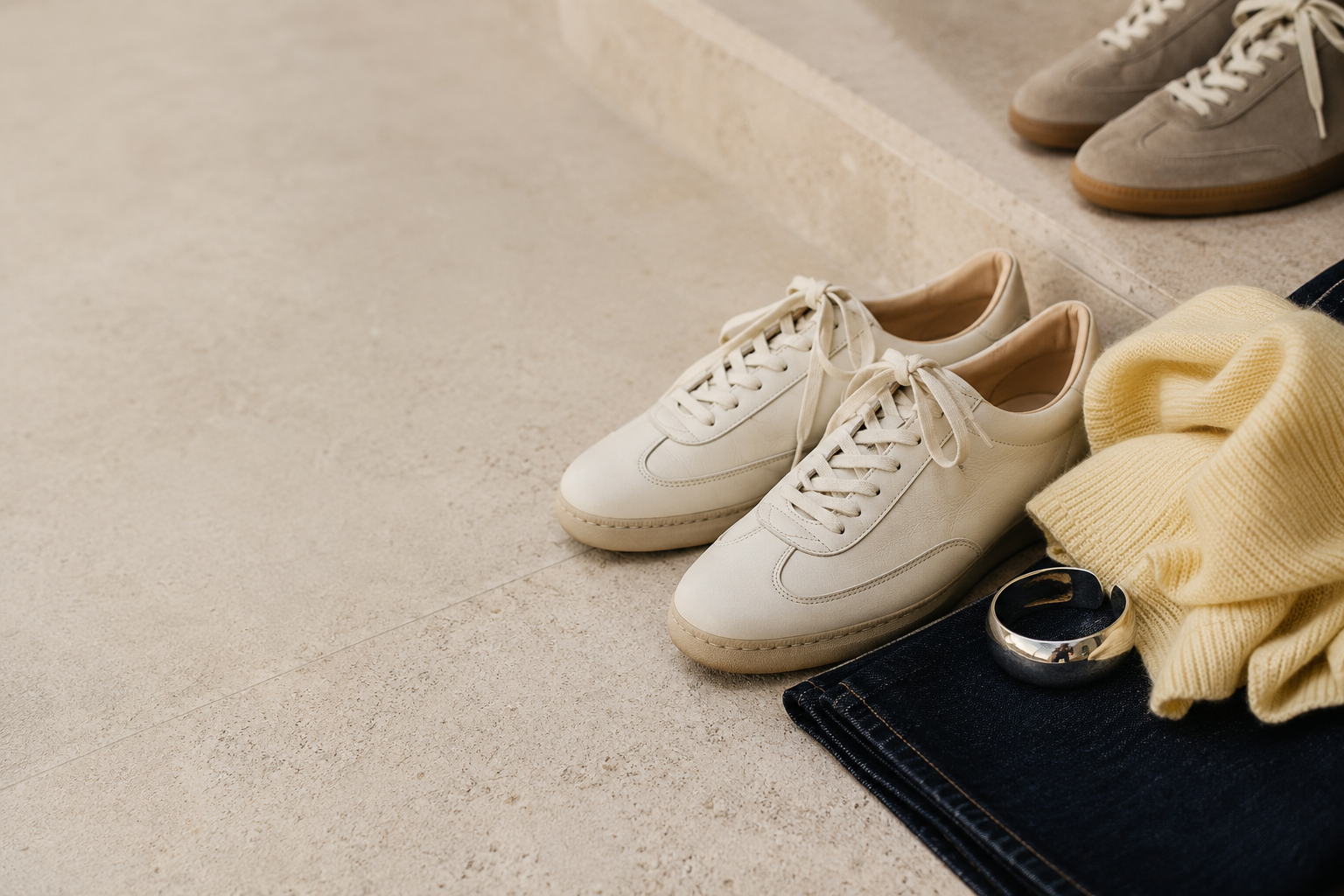
Our pick: VEJA
White trainers have become a wardrobe default, which should make them easy to buy. Instead, it has created an overwhelming number of pairs that look almost identical online but feel completely different once worn.
The pair worth buying is rarely the loudest or most distinctive. It is the one that can sit underneath a slip dress, wide-leg trousers, denim and tailoring without making the outfit feel too sporty.
That is where VEJA works well.
The Campo and V-10 are the styles we would start with. The Campo has a cleaner, lower-profile shape, while the V-10 feels slightly more substantial. VEJA currently lists leather versions of both in its UK range, with the Campo around £125 and V-10 colourways frequently around the same level before sale reductions.
The reason to spend more is not that they are the softest trainers from the first wear. They are not. The leather can initially feel firmer than a fabric or running-style trainer.
The value comes from versatility. They are polished enough to wear when a technical running shoe would make an outfit feel too casual, but relaxed enough not to look overly pristine or precious. That makes them easier to wear repeatedly, which is where the price begins to make sense.
Start with:
Campo: cleaner, more minimal and easiest with dresses.
V-10: slightly chunkier and better if you prefer a more substantial trainer.
Neutral white, cream or black-and-white colourways rather than highly seasonal colours.
Be aware of:
VEJA is not our first recommendation for someone seeking cloud-like cushioning or a trainer for very long walking days straight out of the box. Fit and comfort vary by model, and some people find the leather stiff initially.
Choose them because you want one polished everyday trainer, not because you need a performance shoe.
For less: adidas
Everyone already knows adidas, so simply recommending the brand is not useful.
The more important question is which adidas styles are worth considering.
We would focus on:
Samba
Gazelle
Handball Spezial
These lower-profile shapes work because they sit neatly under wide-leg trousers and dresses rather than dominating the outfit. Leather or suede versions generally look more considered than synthetic alternatives, and their familiar designs are less likely to feel dated after a short trend cycle.
The caveat is comfort. Their narrow, flat profile will not suit everyone, particularly people who need a wider toe box or more underfoot support. Try them on rather than assuming popularity equals universal comfort.
Loafers
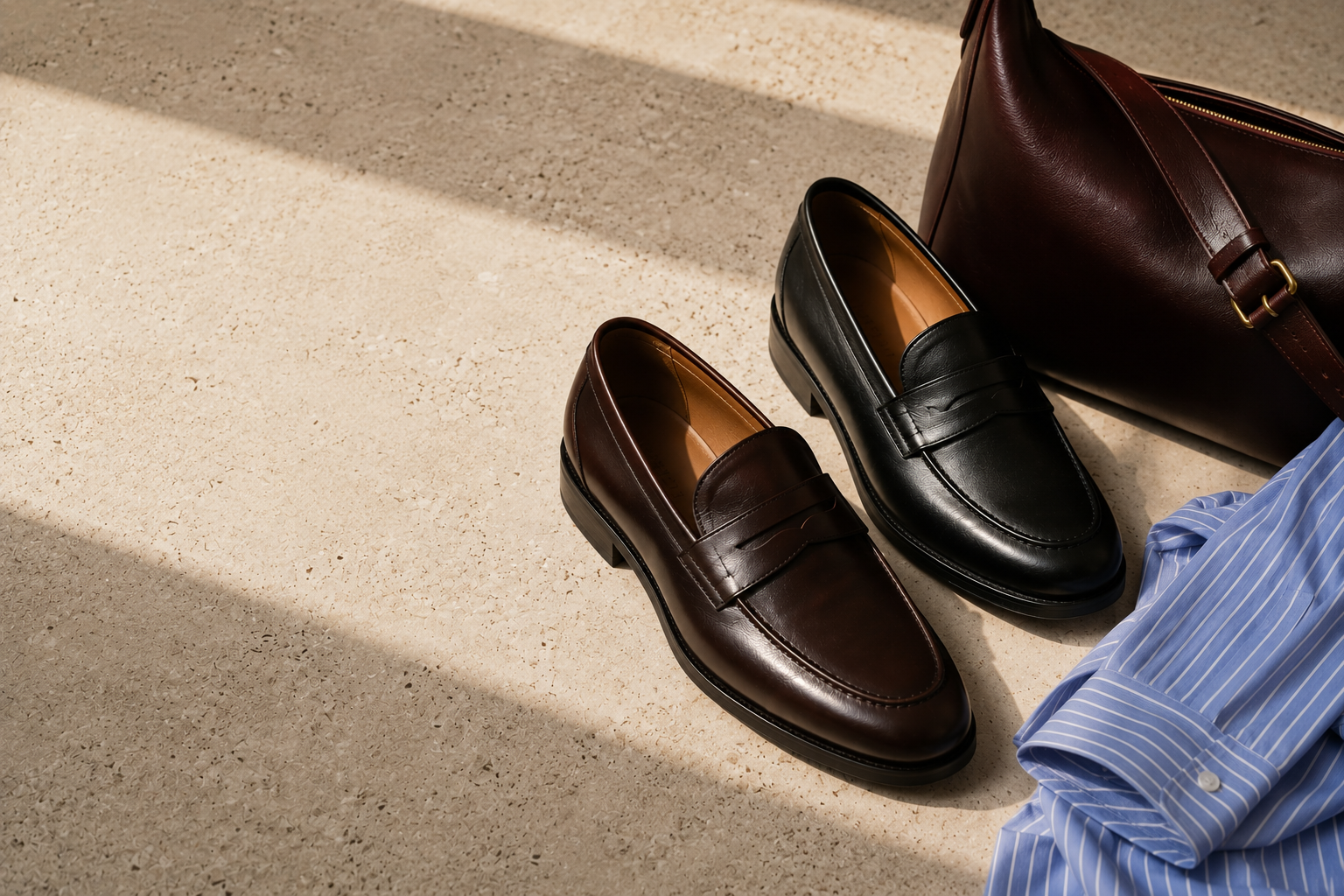
Our pick: Vagabond
Loafers are one of the easiest shoes to make look expensive and one of the easiest to make uncomfortable.
The most common issue is stiffness. A highly structured loafer may look beautifully polished but punish the back of your heel. At the opposite end, an extremely soft loafer can lose its shape and start looking tired too quickly.
Vagabond sits in a useful middle ground.
The Alex W is a classic leather penny loafer with a structured rubber sole and a low solid heel. The softer Sammie uses leather and can also be folded at the back into a slip-on, while the Linn offers a more polished, substantial shape. Current UK pricing generally sits around £110–£145 depending on the style and finish.
What makes Vagabond worth considering is that the designs are fashion-aware without becoming novelty shoes. You can find a classic penny loafer, a chunkier sole or a softer rounded shape without having to leave the brand.
They are also the kind of shoes that improve as they are worn. The leather becomes less rigid, the fit becomes more personal and the shoe begins to look lived-in rather than worn out… provided you care for it properly.
Start with:
Alex W: the most classic and versatile.
Sammie: softer and better for relaxed outfits.
Linn: more polished and slightly more directional.
Be aware of:
Do not wear a structured new loafer for a full day before testing it at home. Even a good leather loafer may need a break-in period.
Use socks, heel grips or shorter initial wears rather than discovering the problem halfway through a commute.
For less: Clarks
Clarks is not always the most exciting name in fashion footwear, but it is one of the most useful.
Its strength is that comfort is considered as part of the shoe rather than added as a marketing phrase after the design is finished. Look for real leather, a cushioned footbed and a sole with enough flexibility for walking.
The shapes can vary from genuinely modern to more traditional, so we would shop style by style rather than recommending the entire loafer range. When you find the right pair, however, Clarks can offer a far more wearable everyday shoe than some trend-led brands charging more.
Ballet Flats
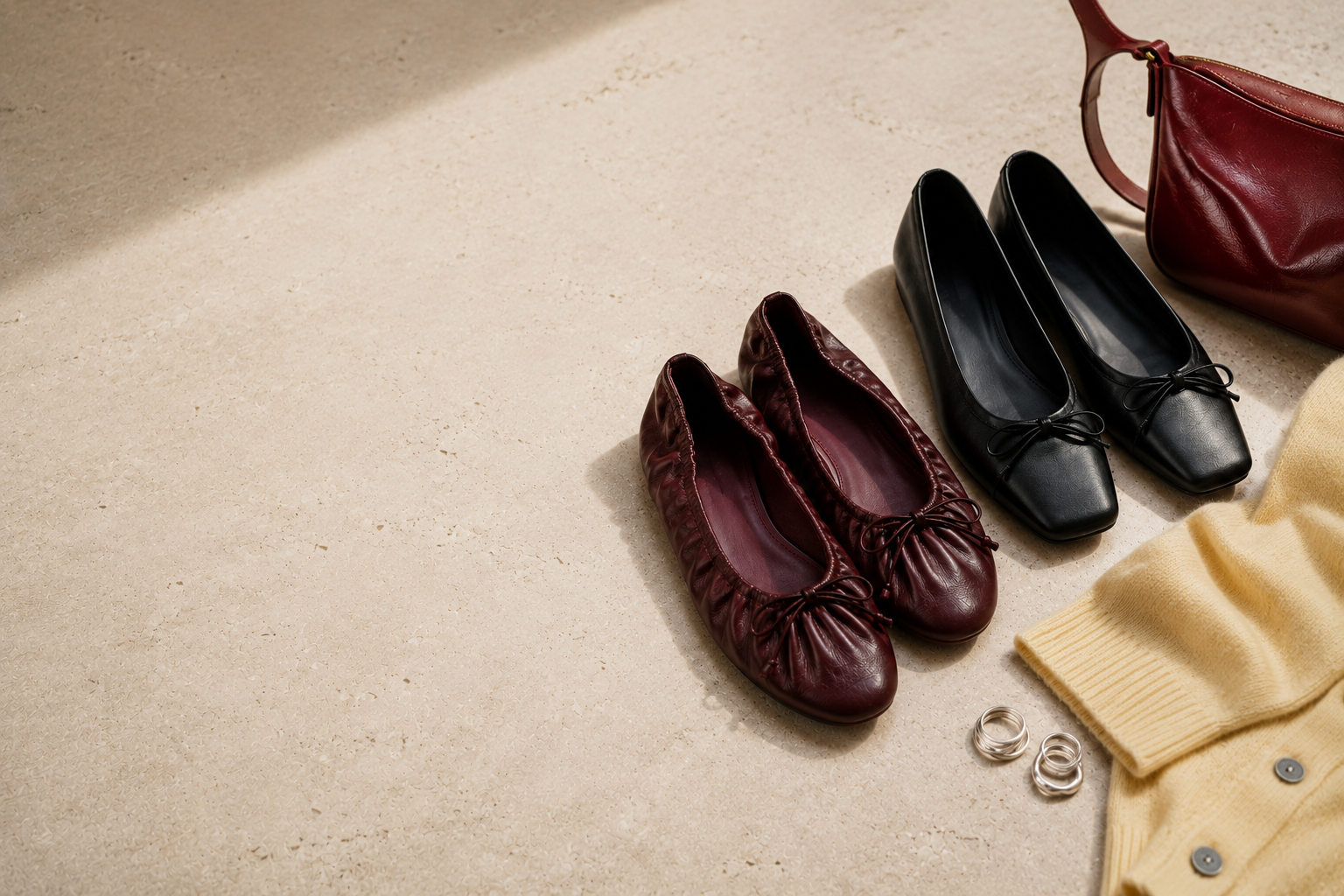
Our pick: ALOHAS
Ballet flats are deceptive.
Because the silhouette is simple, it is easy to assume there is little difference between a £30 pair and a £150 pair. But the differences become obvious after several wears: whether the upper collapses, whether the sole feels like cardboard, whether the heel stays on and whether the shoe still looks intentional once it has softened.
ALOHAS is our pick for someone who wants a ballet flat that feels fashion-forward without being disposable.
The Rosalind has an elasticised back, soft leather and flexible soles. The Sway uses leather with a V-cut vamp, bow detail and low heel. Current UK prices are generally around £150, with some embellished Rosalind versions reaching approximately £170.
These are not invisible basics. The square toes, gathered uppers, colour options and bows make them a more expressive choice than a plain black pump.
That is part of the appeal but also the reason to choose carefully.
Start with:
Rosalind: softer, flexible and more ballet-slipper-like.
Sway: more structured and directional.
Black, brown, burgundy or muted metallics for the best cost per wear.
Be aware of:
Some ALOHAS designs are deliberately trend-led. Studs, unusual finishes and highly specific colours may be beautiful, but they are less versatile than the simpler leather versions.
If this is your only ballet flat, choose the style you can imagine wearing with at least five outfits you already own.
For less: Dune London
Dune can be a good middle-ground option, but it requires more careful shopping.
The brand sells both leather and synthetic shoes, so do not assume that a higher-looking finish means better material. Check the composition and prioritise leather uppers and linings where possible.
The best Dune ballet flats tend to be simple: a clean shape, minimal embellishment and enough structure to stop the shoe collapsing immediately.
This is a useful example of why we recommend specific products rather than blind loyalty to a brand.
Already own ballet flats?
Our Karma Kourt on ballet flats looks at whether the trend deserves a place in your wardrobe and how to style it without looking overly sweet.
Boots
Our pick: Russell & Bromley
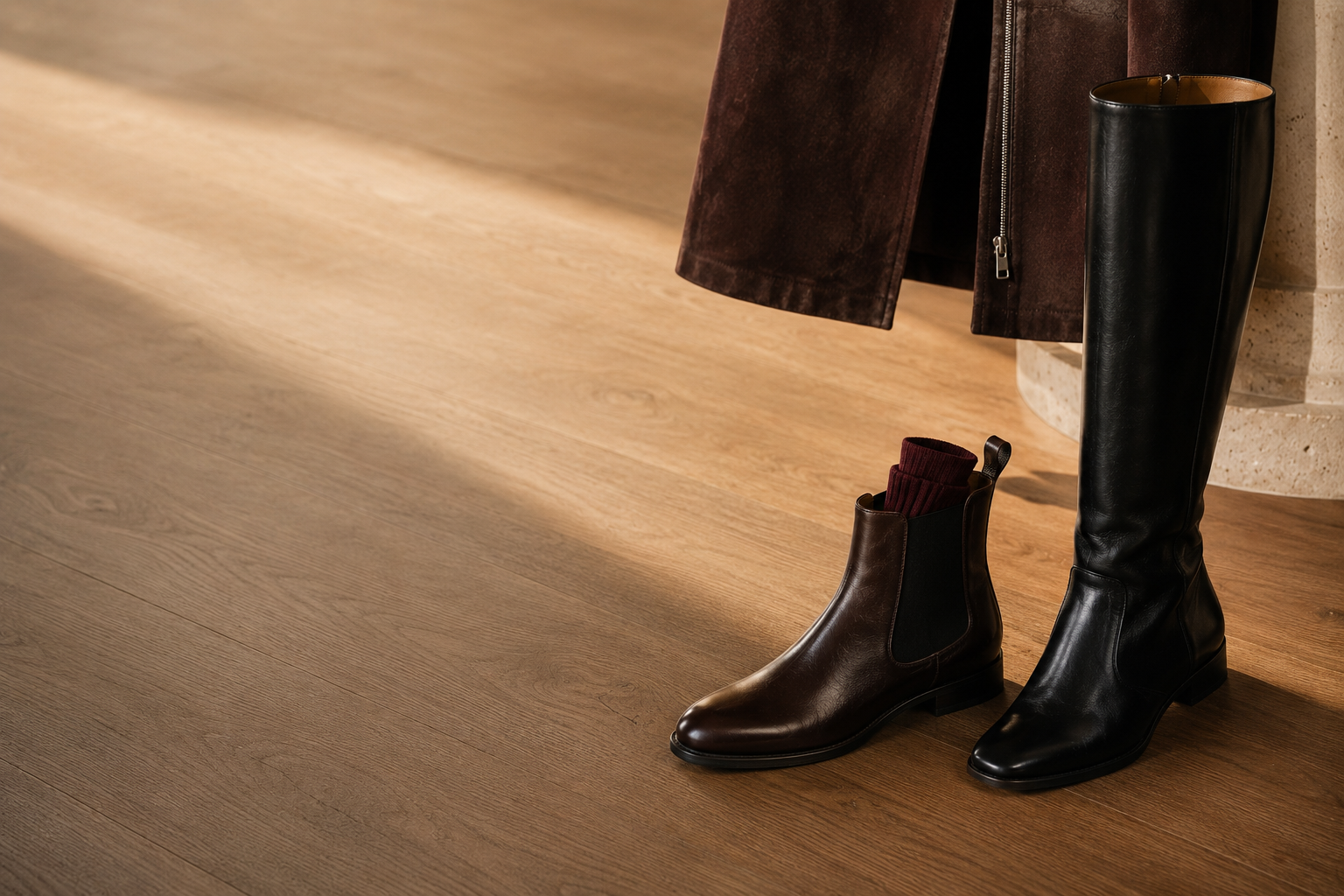
Boots are where spending more can make the clearest difference, but only when the extra money buys better leather, a stronger sole or a shape you will genuinely wear for years.
Our earlier shortlist included several brands that made excellent Chelsea or utility boots but did not offer enough variety in longer, polished leather styles. Russell & Bromley is the stronger overall recommendation because it covers the boot wardrobe more comprehensively: ankle boots, Chelsea boots and knee-high options in leather and suede.
That matters because “best boot brand” means very different things depending on what someone needs.
A practical Chelsea boot may be ideal for commuting, but it cannot replace a sleek knee-high boot under a midi dress. A beautiful riding boot may last for years but feel disconnected from a more modern wardrobe.
Russell & Bromley is best approached as an investment purchase rather than an impulse buy. Look for a straightforward black or dark-brown leather pair with a manageable heel and minimal seasonal detailing.
Start with:
Flat or low-heeled knee-high leather boots.
Classic Chelsea boots.
Clean ankle boots with a rounded or almond toe.
Black, dark brown or burgundy leather.
Be aware of:
A high price does not remove the need to assess fit.
For knee-high boots, check:
calf measurement;
shaft height;
ankle width;
whether the leather collapses or stays structured;
whether the sole provides enough grip for winter.
Do not keep an expensive boot that is “almost right”. Poor calf fit or ankle bunching will become more irritating, not less.
For less: Dr. Martens
Dr. Martens makes sense if you prefer a chunkier, more casual boot and expect to wear it frequently.
The important distinction is leather.
The classic smooth leather has the recognisable structured look, but it can involve a punishing break-in period. Softer alternatives such as Virginia or Ambassador leather are a better starting point when comfort matters more than achieving the stiffest traditional finish.
This is not a direct replacement for a sleek knee-high boot. It is the more affordable option for a hard-wearing everyday ankle or Chelsea boot.
Sandals
Our pick: Birkenstock
Birkenstock is the least surprising recommendation in this guide, but popularity does not make it wrong.
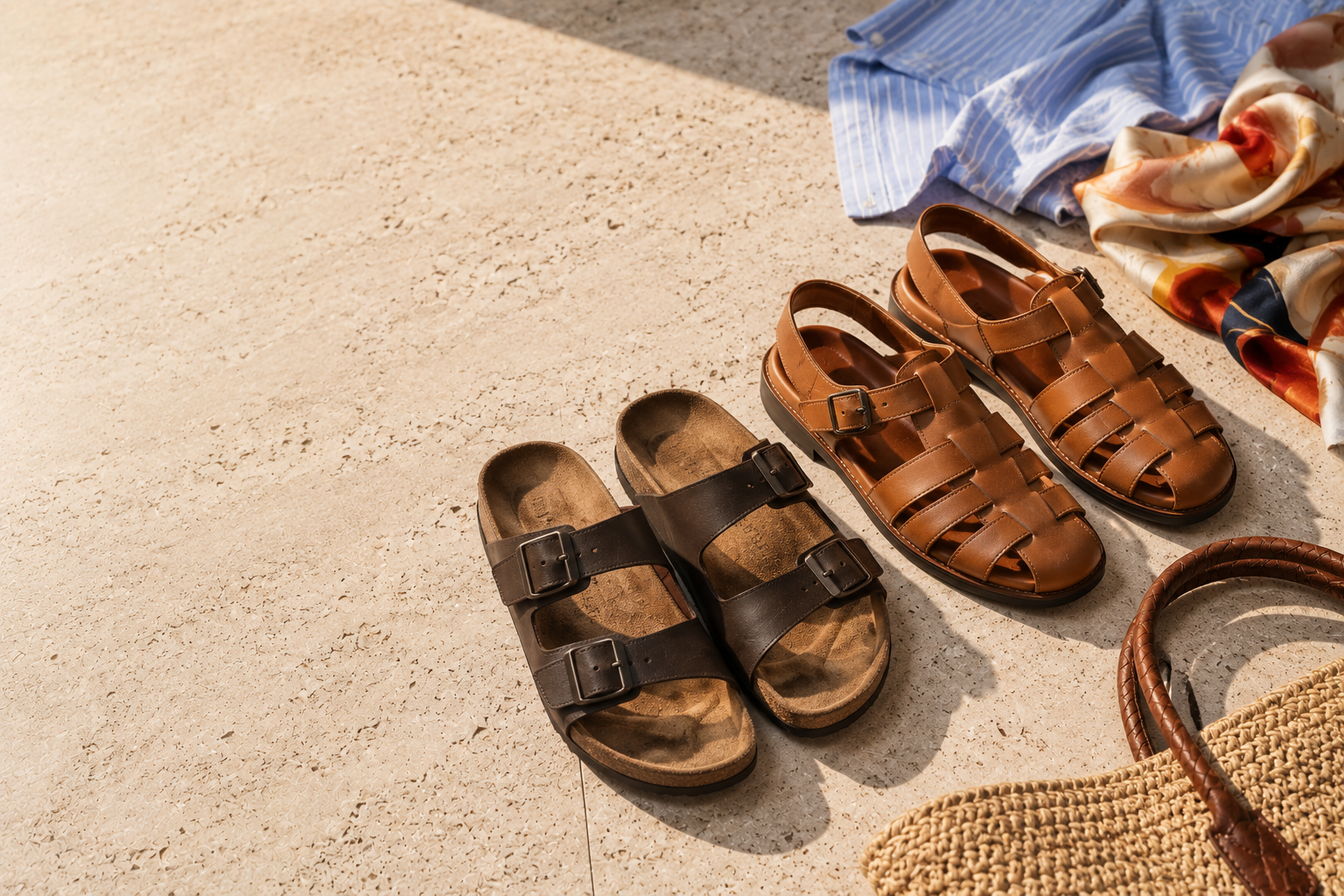
The Arizona works because its comfort is structural rather than decorative. The footbed is contoured, with pronounced arch support, a deep heel cup and room through the toe area. Soft Footbed versions add a foam layer for extra cushioning, while the lightweight EVA outsole helps absorb impact.
That does not mean every Birkenstock will feel perfect immediately. The standard cork footbed can feel firm at first, and the correct width matters.
It also does not mean they are automatically the right choice for everyone. Some people simply do not like the shape, and a two-strap slider will not suit every dress or occasion.
But for repeat summer wear, holidays and days when walking is genuinely part of the plan, they remain one of the strongest combinations of comfort, durability and styling versatility.
Start with:
Arizona Soft Footbed: extra cushioning.
Leather, suede or Birko-Flor depending budget and maintenance preference.
Regular or narrow width based on your actual foot rather than the gender label used by a retailer.
Be aware of:
Do not use an EVA Arizona as a direct substitute for the classic cork version if long-walk support is the priority. EVA is useful for the pool, beach and wet conditions, but it does not mould to the foot in the same way.
For less: Salt-Water Sandals
Salt-Water Sandals offer a different kind of comfort.
They do not have the contoured support of Birkenstock, but they are lightweight, durable and made with waterproof leather. The brand’s Original styles use leather uppers with rubber or urethane soles, and the sandals are designed to cope with water rather than being kept pristine.
They are particularly good for someone who wants a lighter, neater sandal with dresses.
For more cushioning, look at the softer-sole ranges rather than assuming every Salt-Water shape feels identical.
Mary Janes
Our pick: Camper
Mary Janes have returned in every possible form: delicate ballet-inspired pairs, heavy platforms, patent school-shoe shapes and multi-strap versions.
The problem is that many of the most attractive pairs are built more like occasion shoes than walking shoes.
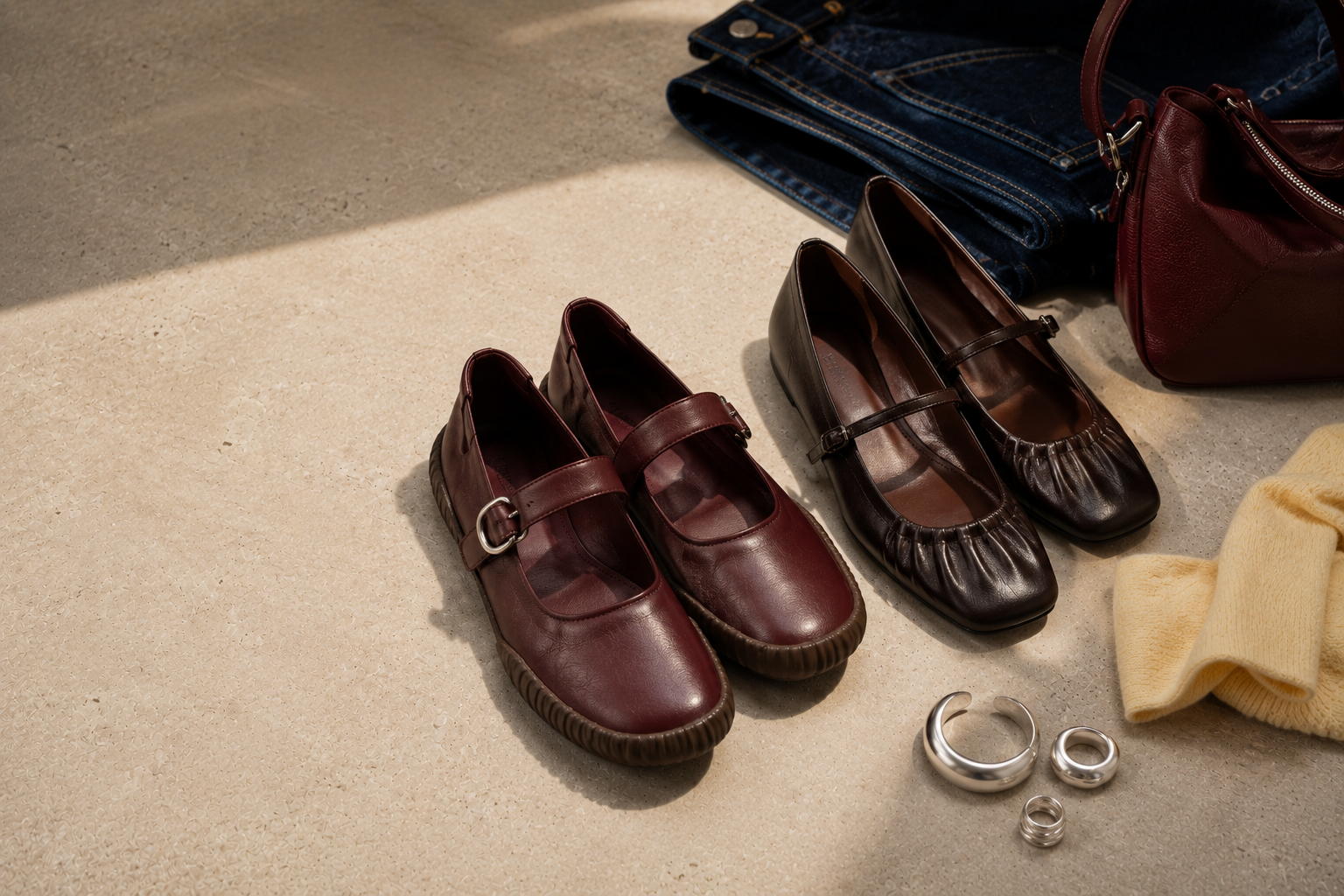
Camper’s Right Mary Jane is different. The leather versions use cushioning EVA footbeds and rubber outsoles, and Camper positions the style around flexibility and everyday wear. The Right line has been in the collection since 2005 and comes in a range of leather colours.
It is not the most delicate Mary Jane on the market. The sole is visible and the silhouette has a practical softness to it.
That is exactly why it works.
It looks intentional without feeling like a shoe you need to change out of halfway through the day.
Start with:
Camper Right in leather.
Black for maximum versatility.
Burgundy or red if you want the shoe to act as the focal point.
A removable-footbed version if you value that flexibility.
Be aware of:
The rounded shape is part of the design. If you want a very pointed, sharp or ultra-feminine Mary Jane, Camper may feel too practical.
For less: Bobbies
Bobbies is useful here because it introduces a less obvious brand rather than repeating another high-street name.
Its flat Mary Jane and strappy ballet ranges include styles such as Ouna, Mado and Mikie, generally in leather or suede and made in Portugal. Prices vary, with sale prices often around £111–£148 against regular prices near £185–£195.
The styling is more traditionally Parisian than Camper: slimmer straps, softer colours, patent finishes and more delicate shapes.
Bobbies therefore works as the fashion-first alternative, particularly during sale periods. At full price, the gap from Camper is not always meaningful, so it is most accurate to frame Bobbies as the brand to watch for lower sale pricing, rather than pretending it is consistently inexpensive.

What actually makes a flat shoe worth buying?
A shoe is not worth buying simply because it is leather, expensive or described as timeless.
The better question is: what is the higher price paying for?
The upper
Leather can soften, breathe and improve with age, but the word “leather” alone tells you very little.
A thin leather upper attached to a weak sole may still wear badly. Patent leather can be harder and less forgiving. Suede may feel softer but requires more care in wet weather.
Synthetic materials are not automatically bad either. Birko-Flor, for example, is easier to maintain than leather and still sits over Birkenstock’s supportive cork footbed. The complete construction matters more than one material label.
The lining
The material against the foot can determine whether a shoe remains comfortable after several hours.
Leather and soft textile linings usually manage friction and moisture better than a hard synthetic lining, although the fit remains just as important.
The toe box
A fashionable pointed shape may be wearable for dinner but unrealistic for a full day.
Look at where your toes actually sit. They should not be pressed together simply because the shoe technically fastens.
The sole
A completely soft sole can feel comfortable in the shop while providing very little support outside it. A completely rigid sole can be durable but exhausting.
The ideal amount of flexibility depends on the shoe, but it should usually bend where your foot naturally bends rather than folding through the middle.
The cost per wear
A £180 shoe worn twice costs more than a £70 shoe worn every week.
The best value is rarely the cheapest item or the most durable item in isolation. It is the pair that lasts and suits enough of your real wardrobe to be worn often.
How to make good shoes last longer
You do not need a complicated collection of products. You do need to stop treating footwear as indestructible.
Rotate leather shoes
Leather benefits from time to dry and recover. Wearing the same pair through consecutive wet days can shorten its life.
Protect them before the first wear
Use a protector appropriate for the exact material. Suede, smooth leather and synthetic uppers do not necessarily need the same treatment.
Repair small problems early
A worn heel tip or thinning sole is cheaper to fix before the damage reaches the structure of the shoe.
Store boots properly
Use boot shapers or rolled card to stop long shafts collapsing into deep creases.
Clean little and often
Removing surface dirt regularly is better than waiting until the shoe requires aggressive cleaning.
Accept that comfort is personal
No online guide can override your foot shape.
A beautifully made shoe in the wrong width is still the wrong shoe.
The best pair is the one that earns its place
A good shoe wardrobe does not need to contain every category, every colour or every trend.
It needs to contain the pairs that make getting dressed easier.
That might be a polished trainer you can wear four days a week, a loafer that works for the office and dinner, or a sandal you can walk in from breakfast until evening. The most valuable pair is not necessarily the one with the best leather or the strongest fashion credentials. It is the one that solves a genuine problem in your wardrobe and keeps solving it after the novelty has worn off.
Buy fewer pairs if that works for you. Spend more when the construction, comfort and longevity genuinely justify it. Spend less when the alternative does the job just as well.
And once you have found the right pair, read our guide to How to style a dress without heels for practical outfit ideas across every shoe category in this article.
FOUND THE SHOES?
Now learn how to style them.